
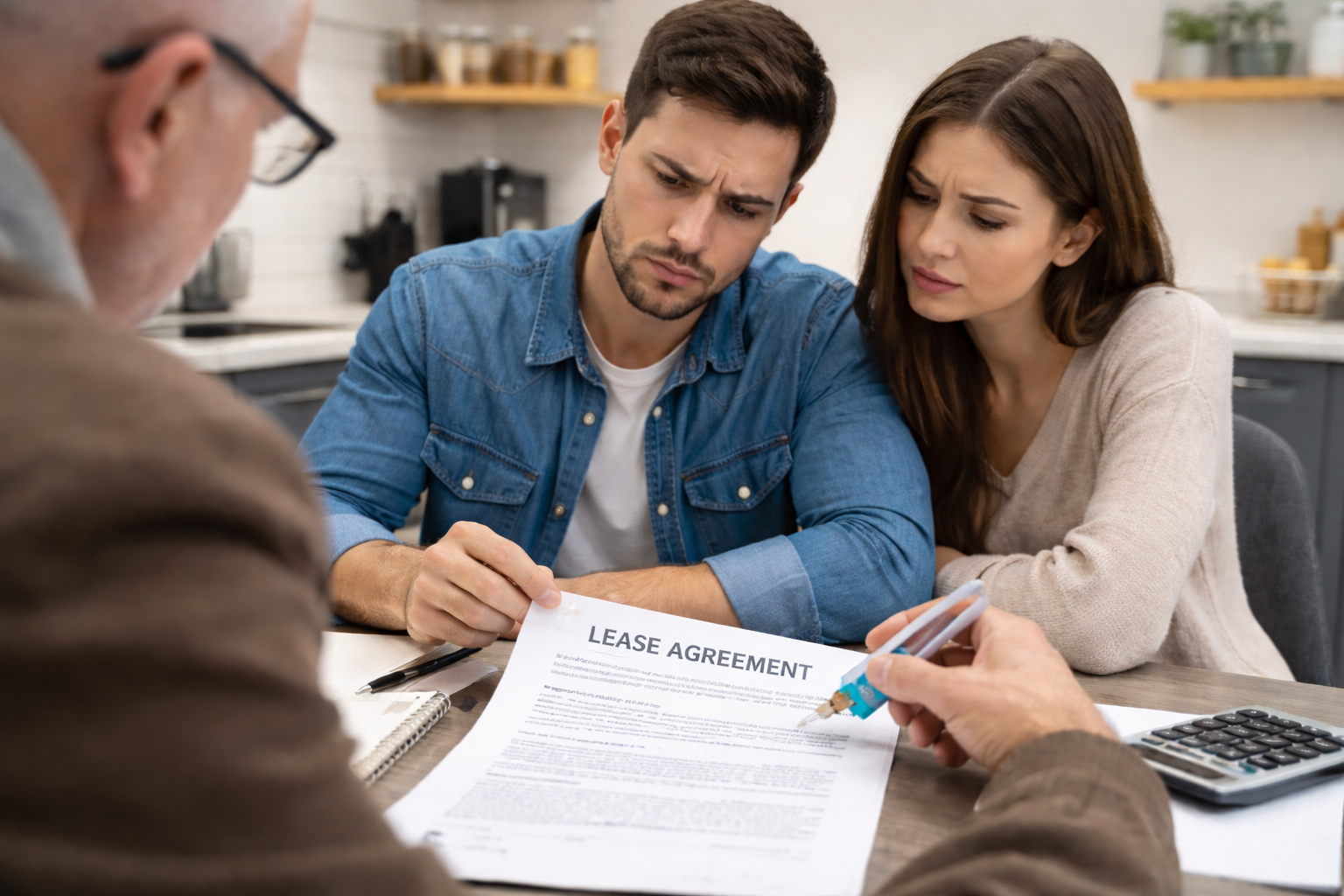
Landlord Changed Lease Terms After Signing was not something I expected to deal with the week before moving in. I was sitting at my kitchen table reviewing the lease again, mostly out of habit. The document looked identical to what I signed a few days earlier—same address, same rent amount, same signatures. But one section immediately caught my attention. The pet clause had been rewritten. Suddenly it required a $500 pet fee that had never been mentioned during signing.
At first I assumed it was just a mistake or maybe I was reading an updated draft accidentally. But when I emailed the property manager, the response made things clear. They said the lease had been “updated” and that all tenants were expected to follow the revised version. That’s when the problem became obvious: Landlord Changed Lease Terms After Signing and expected the new rules to apply even though the contract had already been finalized.
Situations like Landlord Changed Lease Terms After Signing happen more often than tenants realize. Many renters assume a landlord can simply “revise” paperwork at any time. In reality, lease agreements work very differently once signatures are in place.
If you’re trying to understand how rental billing systems and lease structures interact across many tenant issues, the following guide explains the broader framework behind common rent disputes and account errors.
When a Signed Lease Suddenly Changes
The moment you notice Landlord Changed Lease Terms After Signing, the most important thing is identifying exactly what changed. Most tenants discover this situation in one of three ways:
- The landlord sends a revised lease and asks you to sign again.
- The landlord claims a clause was “always there.”
- A property manager tries enforcing a rule that does not appear in the original signed lease.
A lease agreement becomes legally binding once both parties sign it. That means a landlord typically cannot modify terms unilaterally without tenant consent. But in real-world property management systems, landlords sometimes attempt changes anyway.
Landlord Changed Lease Terms After Signing usually appears in practical situations like:
- Adding new fees after the lease was signed
- Changing the pet policy
- Altering parking rules
- Introducing new maintenance charges
- Changing guest restrictions
These changes may look small, but they can significantly affect tenant rights.
Why Some Landlords Try To Change Lease Terms Later
Landlord Changed Lease Terms After Signing often stems from how property management systems operate internally. Many landlords use standardized lease templates stored in software platforms. When the template is updated, property managers sometimes assume existing tenants must follow the new version.
But lease agreements do not work like software updates.
Once Landlord Changed Lease Terms After Signing occurs, the issue is usually one of these situations:
Common Lease Change Scenarios
- The landlord used the wrong lease version during signing.
- A property manager updated policies after multiple tenants signed leases.
- Corporate property owners introduced new building rules.
- The landlord misunderstood what clauses were already included.
In many cases, the landlord assumes the change is administrative rather than contractual.
But once Landlord Changed Lease Terms After Signing without tenant consent, the original signed lease typically remains the controlling document.
How Tenants Usually Discover the Change
Landlord Changed Lease Terms After Signing is rarely announced clearly. Most tenants discover it indirectly.
- A new fee appears in the rent portal.
- The landlord references a clause that does not exist in the signed lease.
- A revised lease is emailed after move-in.
For example, one tenant might notice a new $75 “facility fee” added to the monthly rent ledger. Another might be told overnight guests are now limited to three nights per month.
These situations often escalate because landlords believe policy changes apply to everyone equally. However, lease contracts apply individually to each tenant and each signed document.
Landlord Changed Lease Terms After Signing becomes especially serious if the change affects rent payments, fees, or eviction risk.
Tenant Rights When a Lease Has Already Been Signed
When Landlord Changed Lease Terms After Signing, tenants still retain the protections defined in the signed lease.
In most U.S. states:
- Lease agreements cannot be modified without mutual agreement.
- Both parties must sign any amendment.
- New policies typically apply only to future leases.
This means if Landlord Changed Lease Terms After Signing but you never agreed to the revision, the original lease generally governs the situation.
The key is documentation.
The signed lease you originally received is the document that matters.
If the landlord cannot produce a version showing the disputed clause with both signatures, enforcing the change becomes difficult.
Situations That Require Immediate Attention
Some versions of Landlord Changed Lease Terms After Signing are relatively minor. Others can lead directly to eviction notices or financial disputes.
High-Risk Lease Change Situations
- Rent increases added after signing
- New late fee structures
- Pet restrictions that affect existing animals
- New occupancy limits
- Additional monthly charges
When Landlord Changed Lease Terms After Signing involves money or occupancy rules, the issue should be addressed quickly before rent payments or compliance actions occur.
How This Issue Connects With Other Lease Disputes
Lease disputes often overlap with other tenant issues. A landlord who attempts to change lease terms after signing may also create problems with rent payments, billing ledgers, or enforcement notices.
If the dispute escalates, tenants sometimes encounter situations where landlords refuse certain payment arrangements or impose new requirements.
For example, some renters discover related conflicts when landlords reject particular payment methods during disputes.
Mistakes Tenants Should Avoid
When Landlord Changed Lease Terms After Signing appears, many tenants accidentally weaken their position.
Common mistakes include:
- Signing the revised lease without reviewing it carefully
- Assuming the landlord has automatic authority to change policies
- Failing to keep the original signed document
- Ignoring the issue until enforcement begins
Signing an updated lease effectively replaces the original agreement.
That means once you sign the new version, the landlord’s change becomes legally enforceable.
What Tenants Should Do Immediately
If you realize Landlord Changed Lease Terms After Signing, take these steps immediately.
- Locate the original signed lease document.
- Compare the clause that changed.
- Save email communications discussing the change.
- Respond in writing asking the landlord to clarify the discrepancy.
Do not rely on verbal explanations from property managers.
Written communication ensures there is a record of the dispute.
Many tenants discover that once the discrepancy is documented, the landlord quietly reverts to the original lease.
Recommended Reading
Some lease conflicts evolve into larger disputes involving rent enforcement or eviction notices. The following guide explains how those situations develop and what tenants can do before problems escalate.
FAQ
Can a landlord legally change a lease after it is signed?
Generally, no. Lease agreements usually require both landlord and tenant consent to modify terms once signed.
What if the landlord says the clause was always there?
Compare the document you signed with the version being referenced. The signed version typically controls the agreement.
Can a landlord force a new lease version?
Most landlords can only introduce new lease terms during renewal periods or when both parties agree to amendments.
Key Takeaways
- Landlord Changed Lease Terms After Signing can create serious tenant disputes.
- The original signed lease usually controls the agreement.
- Landlords generally cannot change lease terms without tenant consent.
- Documentation and written communication are critical.
- Tenants should respond quickly before enforcement actions occur.
Landlord Changed Lease Terms After Signing often begins with a small clause change that seems harmless at first. But those small edits can alter rent costs, fees, or tenant obligations for the entire lease period. When I first noticed the rewritten clause in my lease, it felt like a simple administrative correction. But the more I reviewed the documents, the clearer it became that the signed agreement I held in my hands was the only version that actually mattered.
If you find yourself in a situation where Landlord Changed Lease Terms After Signing, stop and review the original lease immediately. Compare every clause carefully. Save copies of the documents and respond in writing. Taking action early can prevent the dispute from turning into a billing problem, a compliance issue, or even an eviction notice later.
For official guidance on renter protections and housing laws in the United States, review the federal tenant resources available through the
U.S. government tenant rights guidance.